


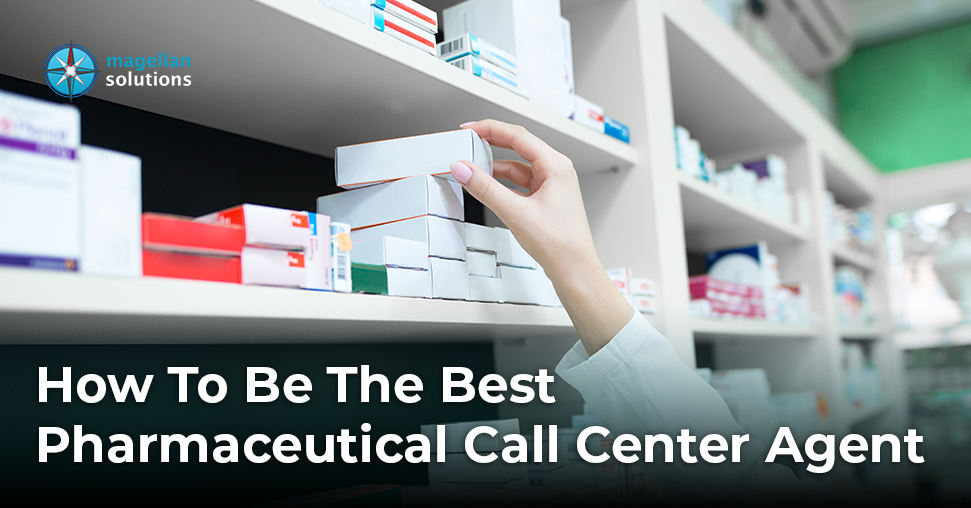
Do you want to help people by working in a pharmaceutical call center? As an agent, you can provide vital health guidance and positively impact lives!
We will give you five tips to deliver excellent service to callers, assure regulatory compliance, and provide compassionate care.
By transforming into an MVP pharmaceutical representative, you can create meaningful connections through your knowledge and empathy. Our best practices will prepare you to address medication questions and caller concerns.
Join us in helping you become an ace pharmaceutical call center agent! We will explore proven advice to help you elevate your skills, confidence, and impact in this rewarding role.

Essential Skills for Pharmaceutical Call Center Excellence
A great pharmaceutical call center agent requires a rare blend of expertise and compassion. Let’s explore the top skills and best practices that elevate representatives to provide helpful, empathetic service and create positive experiences for the people relying on their knowledge.
1. Understand The Product Inside And Out
As a pharmaceutical call center agent, it’s vital to have in-depth knowledge about the product you’re assisting with. This means being familiar with its:
- Components
- Ingredients
- Production process
- Manufacturing
- Expiration dates
- Potential allergies
- Interactions with other medications and
- Potential side effects
Knowing the product is what lets you find the right answer quickly — not what lets you compose one. On a pharmaceutical account you answer from the approved materials the client’s medical and regulatory teams have signed off, and you answer from those only. Product knowledge is how you navigate that library at speed and recognise when a question has moved outside it.
That boundary is the job, not a limitation on it. A question the approved content does not cover gets documented and routed to the client’s medical team. Improvising an answer about a medicine — however well informed — creates a statement the company never approved, and that is treated as a serious error on any pharmaceutical account.
Different pharmaceutical accounts sit at different points of that boundary — pharmaceutical contact center work spans medical information enquiries, patient support programmes, and adverse event intake, and each has its own escalation rules.
2. Gain Pharmaceutical Industry Knowledge
To excel as a pharmaceutical call center representative, pharmaceutical industry knowledge is beneficial.
Background reading helps — understanding how medicines are developed, what a clinical trial establishes, why regulators require what they require. It builds the context that makes approved content make sense, and it makes training faster to absorb.
What it does not do is expand what you are permitted to say. A caller with a complex health issue is the caller most likely to need routing to the client’s medical team, not the one your general reading equips you to handle. Knowing the difference is a large part of doing this well.
Medical know-how equips you to respond promptly and accurately to their inquiries.
3. Show Empathy And A Personal Touch
One key benefit of live answering is its ability to add a human touch to calls. This approach distinguishes live answering services from automated systems.
When patients speak with a live agent who conveys warmth and compassion, they are more likely to engage in meaningful conversations. It leads to better comprehension of medical information and instructions. All of which are vital for patient safety.
This approach also helps build trust. Patients want to feel heard and understood, especially regarding health-related concerns. A personal touch in communication helps build confidence. Patients are more likely to rely on the information provided by a pharmaceutical brand that they deem credible.
Finally, it sends a message that the company values the patient’s partnership. This, in turn, can lead to long-term loyalty and positive word-of-mouth referrals.

4. Be Patient: Key to Becoming the Best Pharmaceutical Call Center Agent
Some callers might feel overwhelmed or upset due to their health problems. Hence, this makes them more likely to be irritable or confused during the call. Your patience and empathy can make a big difference in providing them with the support they need.
By remaining calm and patient, you can help reassure callers. It also allows you to guide them properly through their concerns. Ultimately, this provides better service and makes their experience more positive.
5. Familiarize Yourself With Your Tools
Getting familiar with your tools and database is crucial. This knowledge lets you quickly access caller information and product details. Thus making providing accurate and personalized help easier.
Being a pro with your interface means you can find records and product information in your database. This isn’t just a time-saver; you can assist more callers effectively. Hence, it boosts the whole call center’s productivity.
Callers are also happier with the service when they get fast and accurate answers. This can lead to more loyal customers and positive word-of-mouth.
Plus, it’s important to follow data security rules. Handling customer information correctly is a must. Especially in the pharmaceutical industry with strict regulations. Knowing your tools also means knowing how to protect sensitive patient data.
What the Job Looks Like After Training
A pharmaceutical account rewards a particular combination: precision about what you are allowed to say, and warmth in how you say it. Neither works without the other. Agents who are accurate but cold leave callers feeling processed; agents who are warm but loose create problems that surface weeks later in a compliance review.
The learning curve is real — product training, approved content, escalation rules, and the client’s systems — but it is a defined curve, and most of it is taught rather than assumed. If you are considering this kind of work, that is the honest picture: a demanding account to learn, and a steady one to hold.
Magellan hires and trains agents for pharmaceutical accounts in the Philippines. Applications go through the careers page.